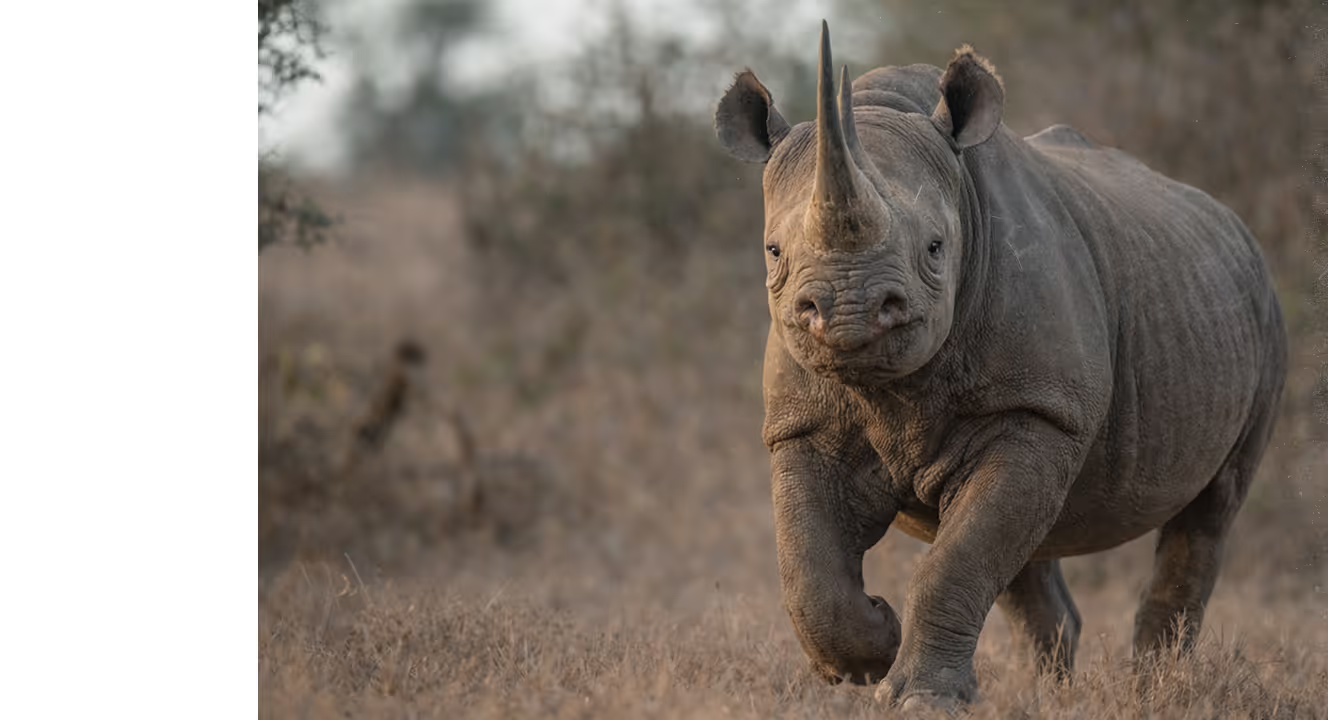
Always on
Long-endurance and rapid-response drones provide continuous aerial coverage, including at night and in low-visibility conditions.
500km+
Flown in South Africa (2024–25)
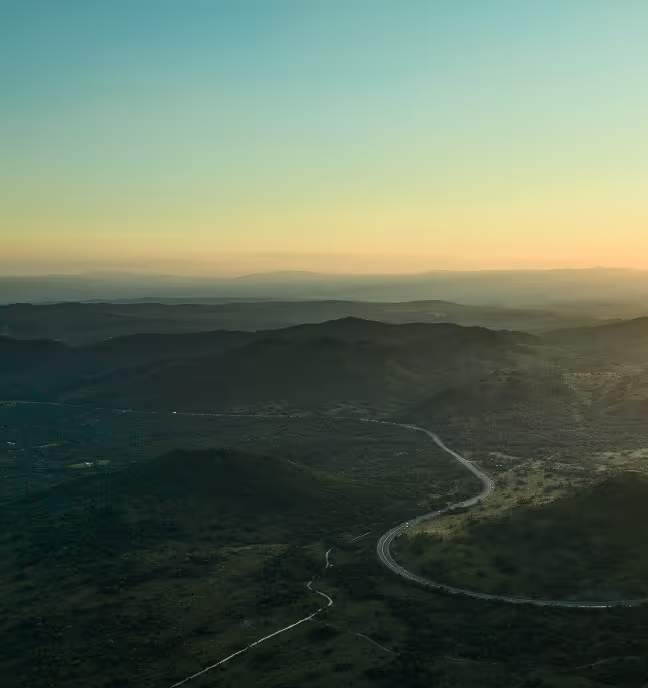
Always tracking
A drone fleet delivers 24/7 monitoring in critical areas. Rangers can send up smaller drones which are designed for tactical rapid response. Equipped with cutting-edge hardware, these drones enable real-time autonomous decision-making and precise object identification.
4.5m+
Bounding boxes powering advanced detection
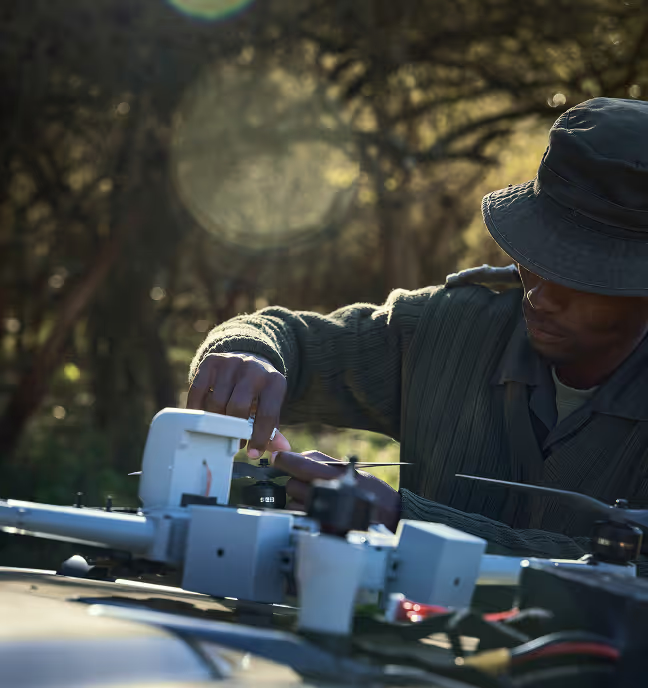
Always coordinated
Integrated with existing platforms, such as EarthRanger, Sentala enables teams to track activity, share information, and respond quickly and effectively.
210+
Days spent co-developing on site
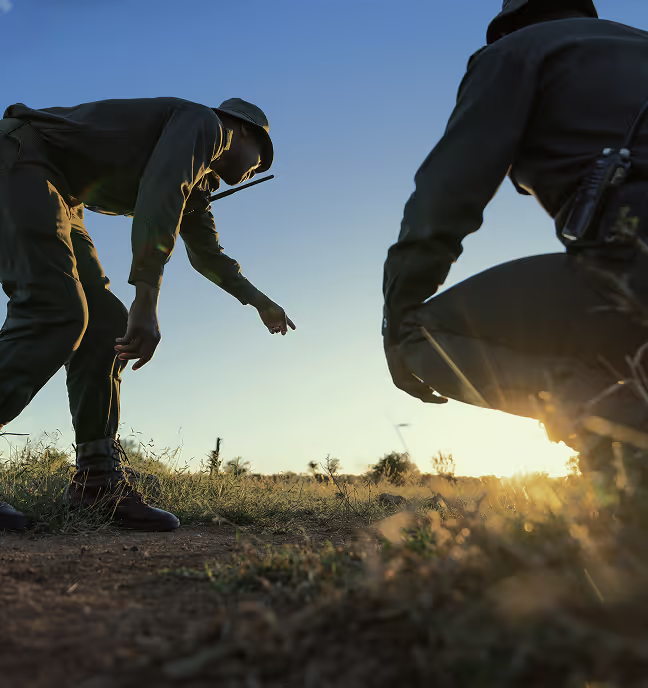
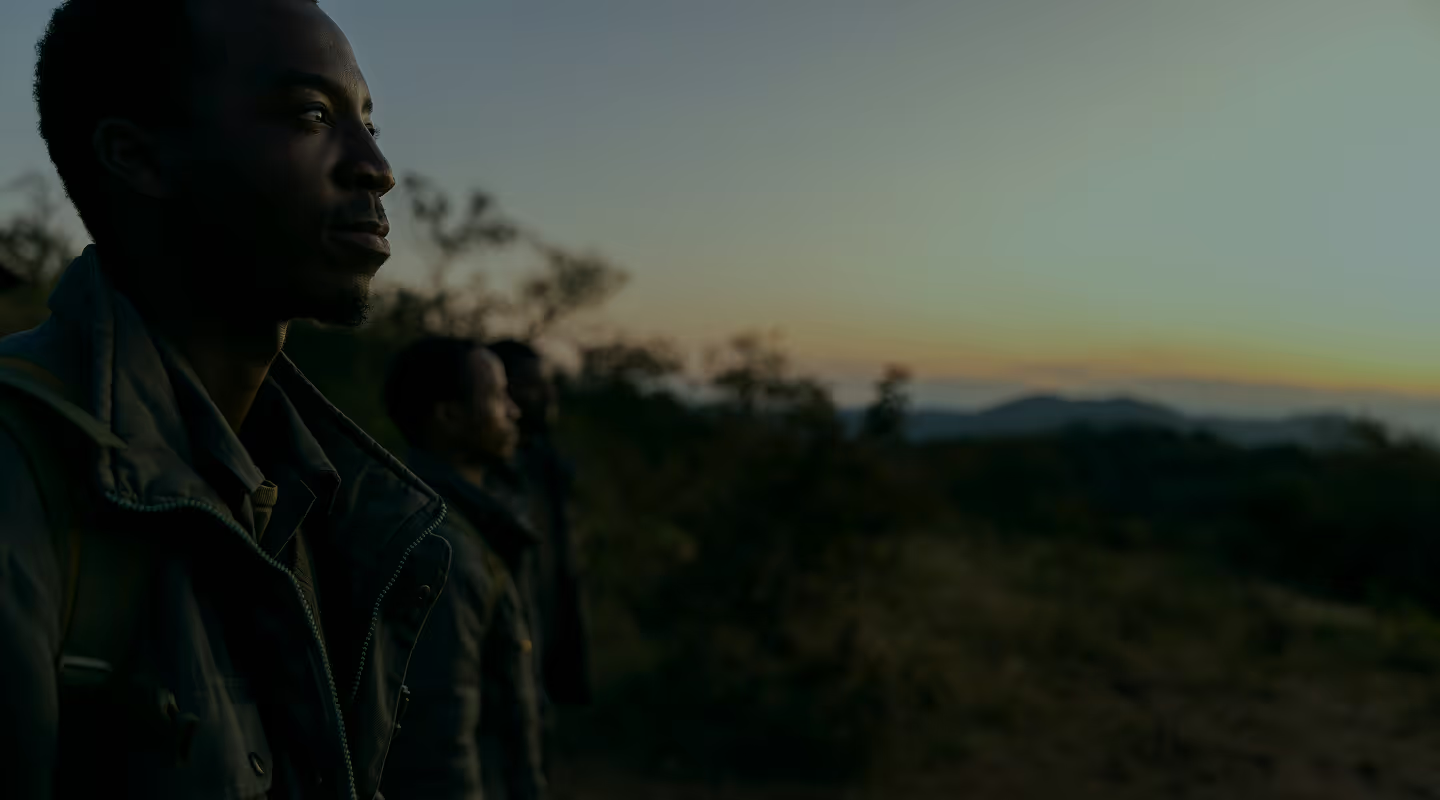
Built in the field
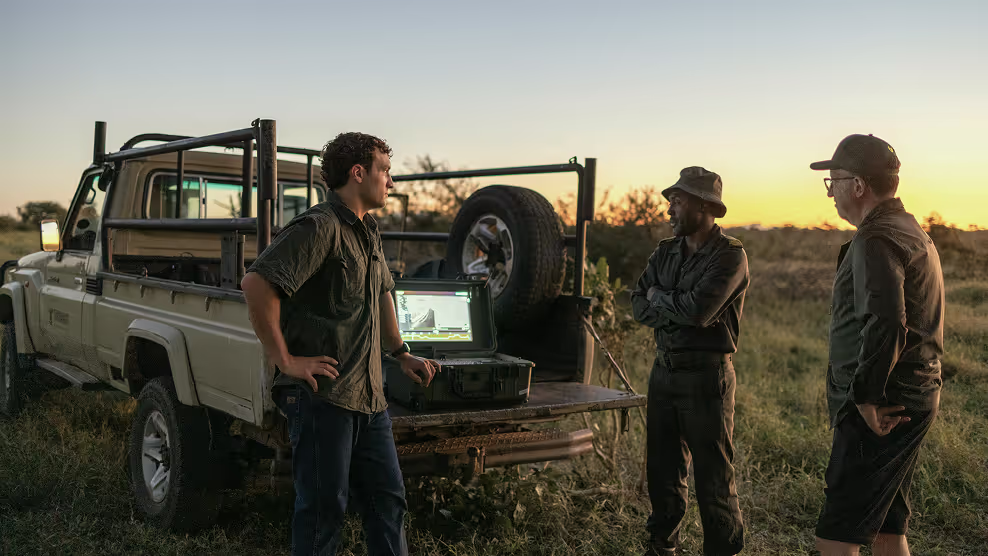
Sentala develops alongside the people protecting wildlife every day
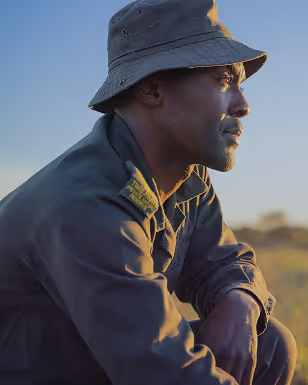
Conservationists are not just deployment partners - they are co-creators. Their experience directly shapes how the system is built, tested, and refined in real conditions.
Designed to scale
While initially focused on wildlife protection, Sentala is designed to support a growing range of conservation challenges - from human-wildlife conflict to ecosystem monitoring and climate-related threats. The goal is not a single solution, but a system that can evolve as needs change.
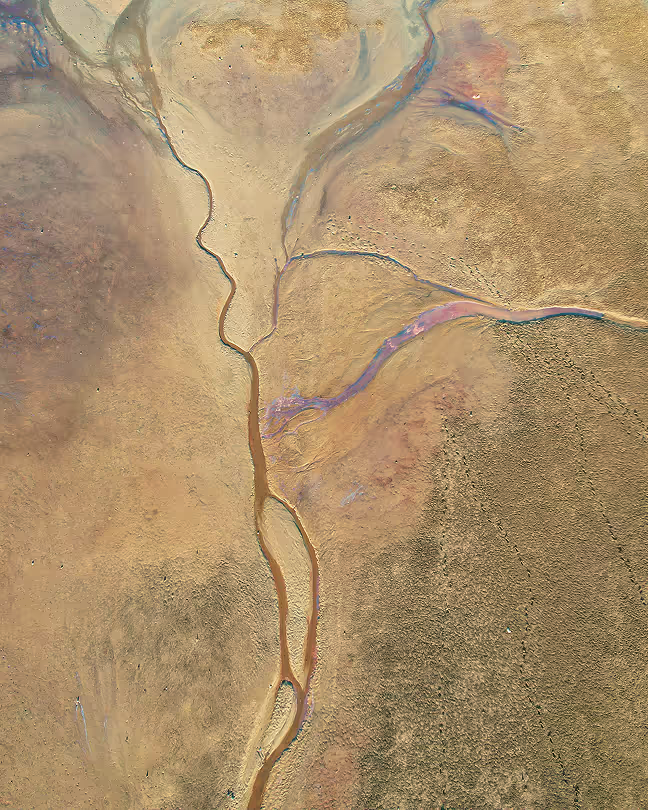

Environmental pressures can emerge rapidly across large landscapes
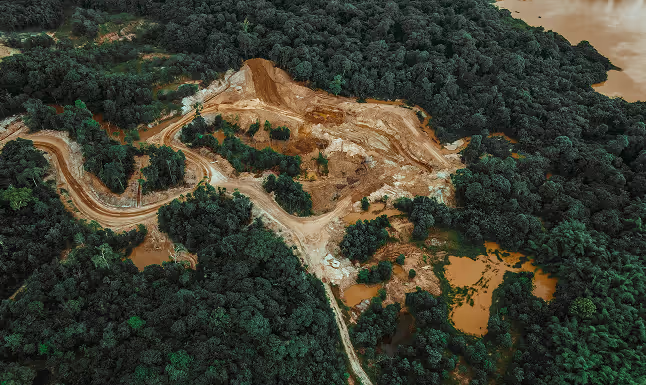
Changes that unfold gradually become clearer when viewed over time
Brought together by experts in technology and conservation
Founded and backed by Eric and Wendy Schmidt, Sentala is a non-profit organization and focused on protecting the planet's most threatened wildlife and biodiversity.
Bringing together conservation expertise and advanced technology, Sentala works alongside rangers, conservationists, and technologists to develop solutions grounded in real-world conservation challenges and built to scale.
What's in our name?

Sentinel
(A guard, a lookout, a person keeping watch)
Qala
(Zulu/Xhosa word for ‘to create’ or ‘new beginnings’)
Frequently asked questions
What is Sentala?
Sentala is a ranger-centered, technology-powered platform that combines use of purpose-built drones, connectivity, and real-time data to help protect wildlife, ecosystems, and the people who defend them. Everything we do leverages tech in the service of nature and those who protect it.
Why does Sentala exist?
Global conservation goals are becoming more ambitious, but frontline capacity to achieve them has not been able to keep pace. Rangers are often responsible for vast, high-risk landscapes with limited support. Sentala exists to help close that gap, enabling more effective, proactive protection of nature at scale.
How does Sentala work?
The Sentala system integrates long-endurance and rapid-response drones with a resilient communications network and a central control system. Together, these enable continuous monitoring, real-time visibility, and coordinated response across large landscapes.
Where is Sentala being used today?
The Sentala system is currently deployed in high-priority conservation areas in South Africa, via a series of pilot programmes to test, refine, and iterate in real-world conditions alongside rangers and partners.
Who is Sentala for?
The Sentala system is designed for those responsible for protecting and managing natural environments, including rangers, protected area authorities, governments, conservation organizations, and partners working to address environmental crime and ecosystem protection.
Who is behind Sentala?
Sentala operates as a non-profit initiative funded by Eric and Wendy Schmidt. It is developed in close partnership with rangers, reserves, and conservation stakeholders.
How can I get involved or partner?
Organizations can engage with Sentala through partnerships, pilot programmes, funding support, or technical collaboration. The initiative is designed to work with a broad coalition of conservation, public, and private sector partners. We are also continually looking for new tech talent to join our team and welcome your interest.
How is Sentala funded?
Sentala is funded philanthropically by Eric and Wendy Schmidt. Its non-profit structure ensures that resources are directed solely toward conservation outcomes. If you are interested in supporting our work, please get in touch.