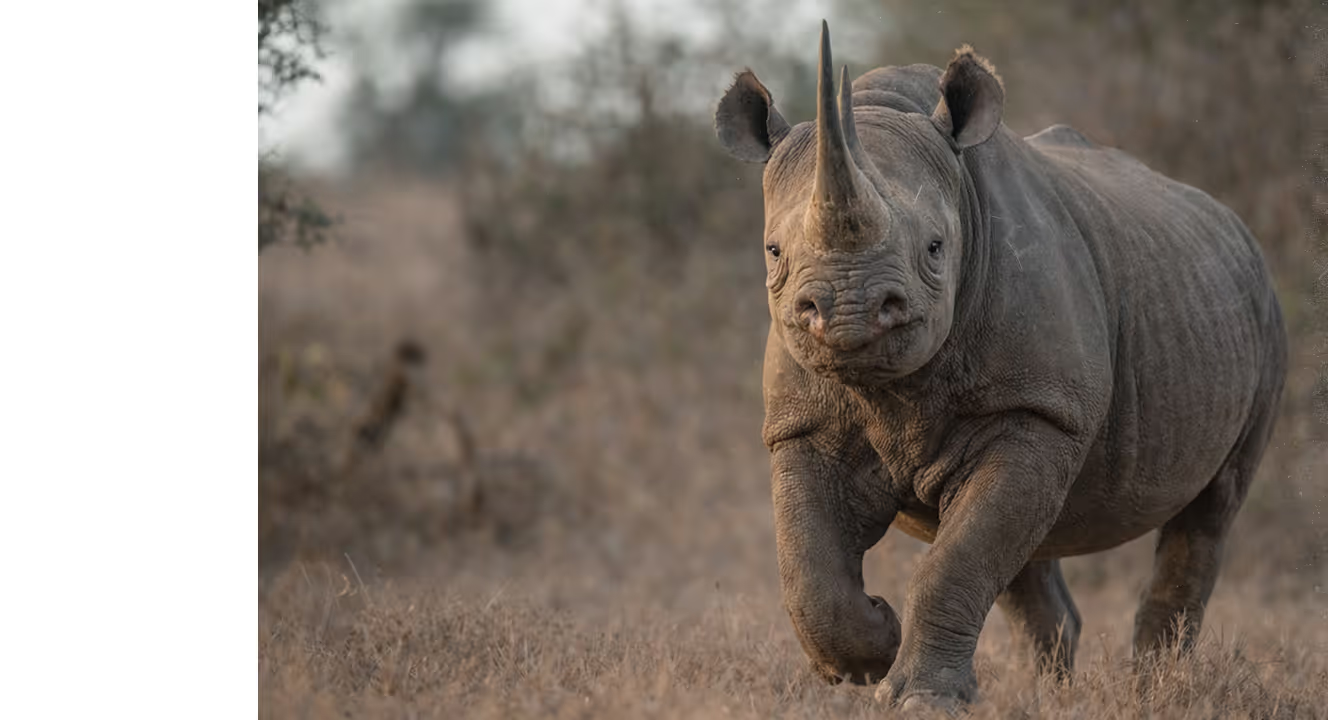
Conservation is under increasing pressure. Across the world, rangers are being asked to do more - covering larger areas with limited resources.
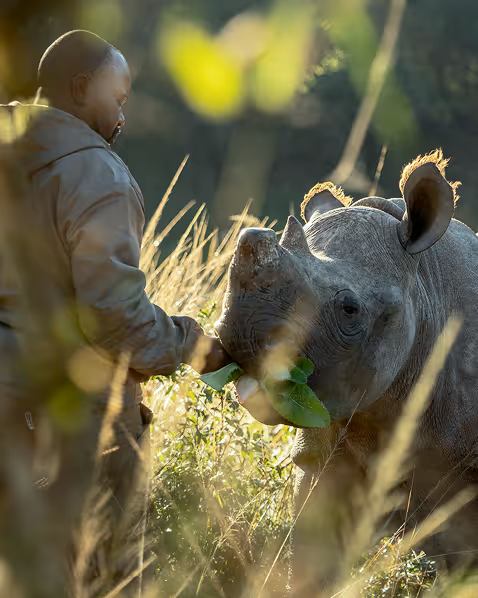
At the same time, environmental crime is becoming increasingly organized and violent.
Available tools have not kept pace with the scale and scope of the challenge.
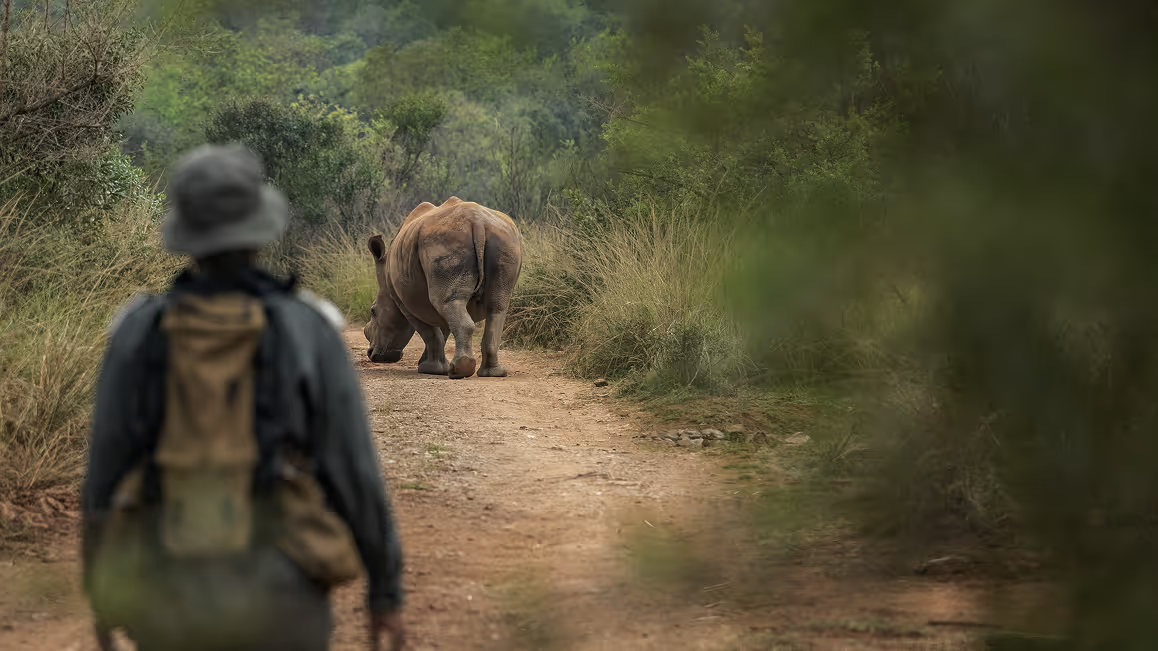
For too long, rangers have worked with limited visibility. We co-create tools that help conservationists see more, understand more, and coordinate strategies and responses.
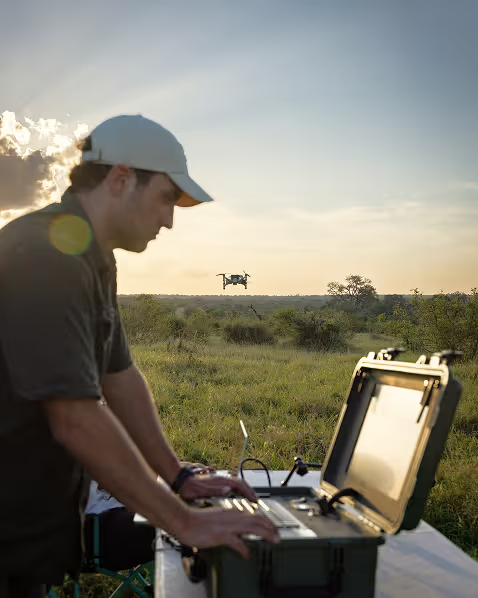
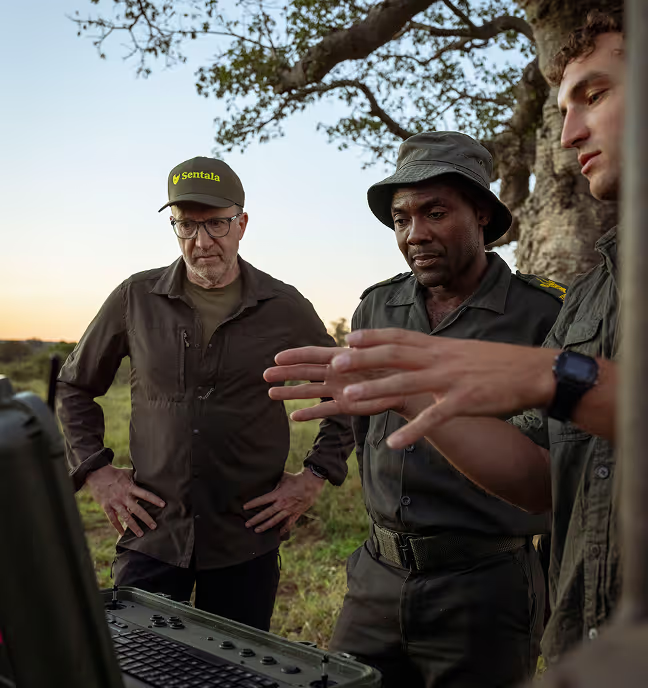
Testing technology alongside rangers ensures systems work in real-world conditions
Our impact
How we're helping rangers protect our precious ecosystems
Our impact
On the ground
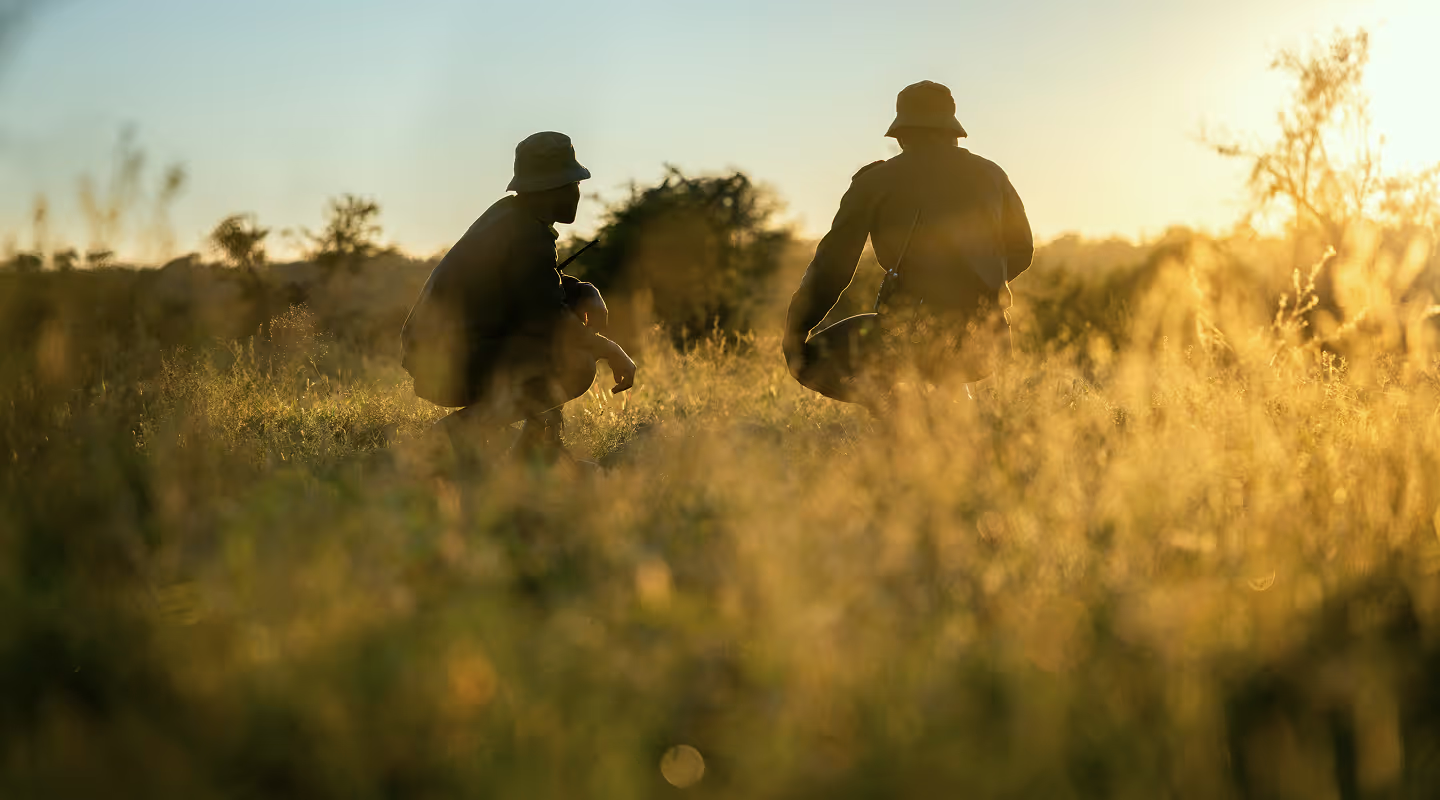
Drones act as a digital scout – fusing diverse data sources with real-time visibility to detect what the human eye can’t whether at night, through dense bush, and across vast distances.
3x
Area covered compared to a ranger alone.
Acting earlier
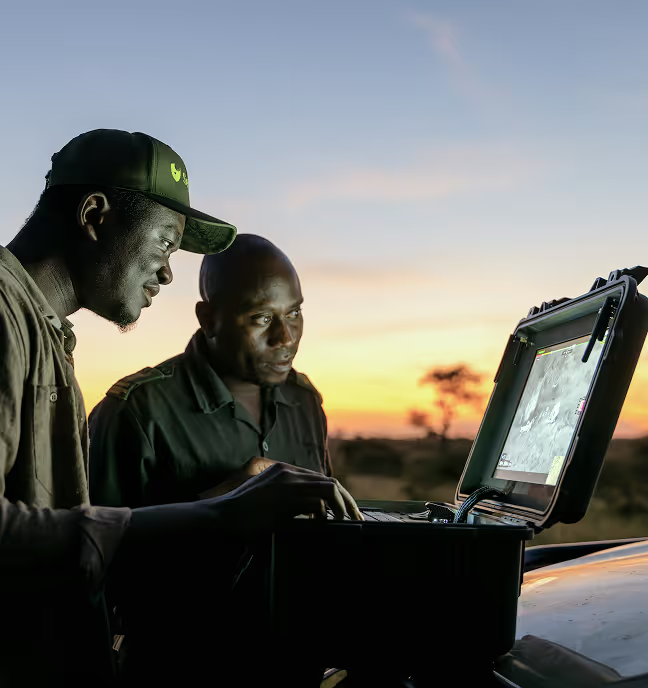
Teams are identifying patterns and signals sooner - creating the opportunity to act before incidents escalate, instead of responding after damage has been done to wildlife, communities, and ecosystems.
5x
We can arrive onsite significantly faster than a ranger, helping them understand the situation before they arrive.
Working together
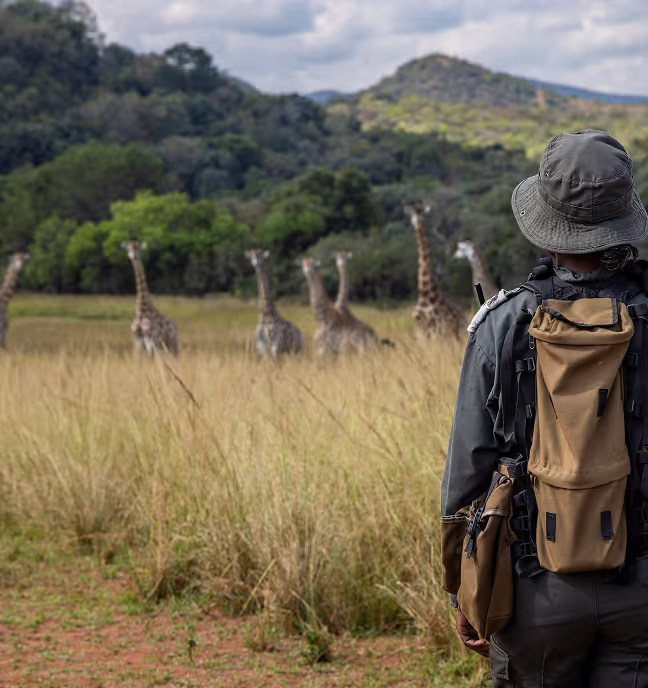
By connecting people, data, and tools, teams are able to coordinate more effectively - across roles, locations, and organizations. Time previously spent on manual reporting and coordination is reduced - allowing more focus on field operations and decision-making. Extending reach and visibility helps reduce unnecessary exposure - supporting teams working in high-risk environments.
5
Number of reserves we’re working in and gathering insights from
From the field
Heading
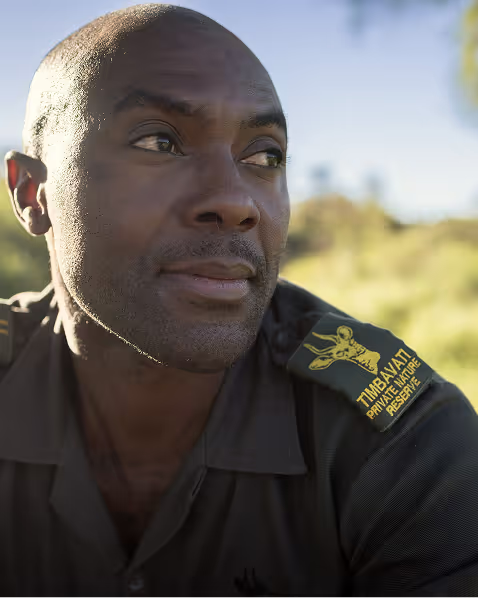
To see where you’re going before you could even get there. If you can see danger, then you can always avoid it. This is what we’ve been waiting for.
Ranger in Timbervati
Heading
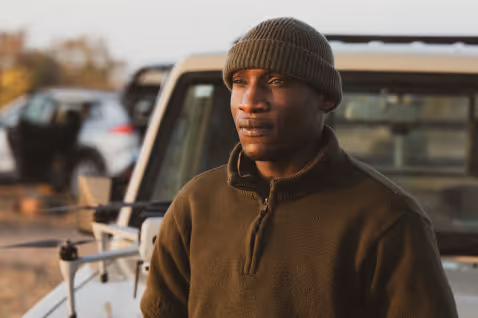
Now we can see that we’re not fighting this fight alone.
Ranger in Sabi Sands
Frequently asked questions
What is Sentala?
Sentala is a ranger-centered, technology-powered platform that combines use of purpose-built drones, connectivity, and real-time data to help protect wildlife, ecosystems, and the people who defend them. Everything we do leverages tech in the service of nature and those who protect it.
Why does Sentala exist?
Global conservation goals are becoming more ambitious, but frontline capacity to achieve them has not been able to keep pace. Rangers are often responsible for vast, high-risk landscapes with limited support. Sentala exists to help close that gap, enabling more effective, proactive protection of nature at scale.
How does Sentala work?
The Sentala system integrates long-endurance and rapid-response drones with a resilient communications network and a central control system. Together, these enable continuous monitoring, real-time visibility, and coordinated response across large landscapes.
Where is Sentala being used today?
The Sentala system is currently deployed in high-priority conservation areas in South Africa, via a series of pilot programmes to test, refine, and iterate in real-world conditions alongside rangers and partners.
Who is Sentala for?
The Sentala system is designed for those responsible for protecting and managing natural environments, including rangers, protected area authorities, governments, conservation organizations, and partners working to address environmental crime and ecosystem protection.
Who is behind Sentala?
Sentala operates as a non-profit initiative funded by Eric and Wendy Schmidt. It is developed in close partnership with rangers, reserves, and conservation stakeholders.
How can I get involved or partner?
Organizations can engage with Sentala through partnerships, pilot programmes, funding support, or technical collaboration. The initiative is designed to work with a broad coalition of conservation, public, and private sector partners. We are also continually looking for new tech talent to join our team and welcome your interest.
How is Sentala funded?
Sentala is funded philanthropically by Eric and Wendy Schmidt. Its non-profit structure ensures that resources are directed solely toward conservation outcomes. If you are interested in supporting our work, please get in touch.